Understanding the Role of Duckbill Check Valves in Fluid Management
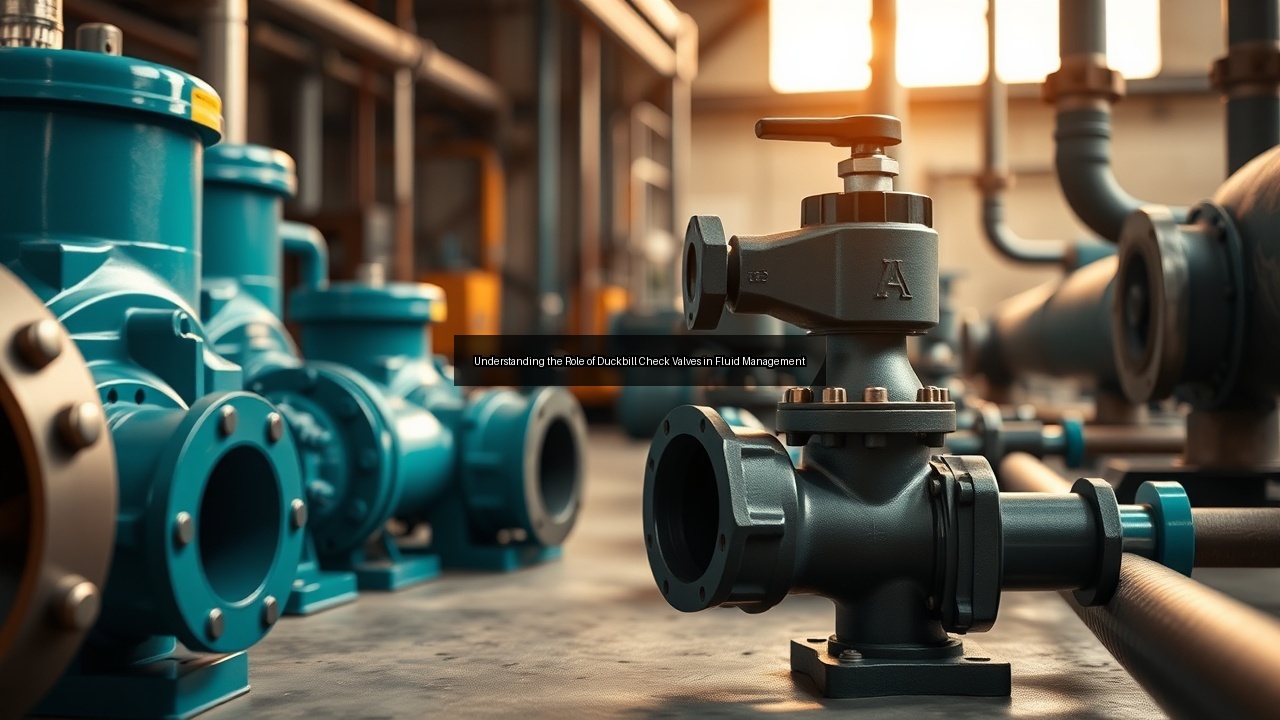
Introduction to Duckbill Check Valves
What is a Duckbill Check Valve?
A duckbill check valve functions as a one-way flow device that prevents backflow in fluid systems. Its shape mimics a duck's bill, which opens under forward pressure and closes tightly when flow reverses. Manufacturers produce these valves from flexible rubber or elastomers that respond instantly to pressure changes. The design eliminates the need for springs or hinges found in traditional check valves, reducing maintenance points. Engineers install duckbill check valves in pipelines where reliable sealing matters most. This valve handles slurries, wastewater, and clean water without clogging. Its simple construction allows quick replacement during outages. Operators rely on the duckbill check valve because it operates silently and resists corrosion in harsh environments. The component integrates easily into existing pump discharge lines and piping networks.
Importance of Check Valves in Fluid Management
Check valves protect pumps and piping from reverse flow that can damage equipment and waste energy. They maintain system pressure and keep fluid volumes consistent across waterworks operations. Without these valves, water hammers and surges occur frequently, leading to pipe bursts and inventory losses. The duckbill check valve stands out because it seals completely even at low pressures. Plant managers choose it to safeguard water pumps during shutdowns. Its role in inventory management becomes clear when operators track flow rates without unexpected leaks. Proper check valve selection improves overall efficiency in fluid handling. Facilities that upgrade to duckbill designs report fewer pump failures and lower repair costs. These valves support regulatory compliance by preventing contamination between process streams.
Design and Functionality of Duckbill Check Valves
How Duckbill Check Valves Work
Forward fluid pressure parts the flexible lips of the duckbill check valve, allowing unrestricted flow. When pressure drops or reverses, the lips snap shut instantly to block backflow. This action depends entirely on the differential pressure across the valve. The rubber material flexes thousands of times without fatigue, making the duckbill check valve suitable for continuous pump operation. Engineers test each unit to confirm it holds pressure ratings from low-head applications up to several hundred psi. The valve responds faster than mechanical alternatives because no moving parts except the elastomer itself exist. Installers orient the duckbill correctly in the pipe to ensure proper function. Flow direction markings on the valve body guide correct placement. Performance remains stable across temperature swings common in waterworks environments.
Key Components of Duckbill Valves
The primary element is the molded rubber duckbill that forms the sealing mechanism. A rigid jacket or housing surrounds the elastomer and connects to flanges or pipe ends. Some designs include a reinforcing cuff that prevents the duckbill from inverting under high backpressure. Manufacturers select compounds based on chemical compatibility with the fluid. The jacket material often matches the pipe to avoid galvanic corrosion. Internal geometry of the duckbill controls cracking pressure and flow capacity. Quality control teams verify wall thickness and lip alignment before shipment. These components work together to deliver reliable performance in demanding pump stations. Replacement duckbill inserts allow quick refurbishment without removing the entire valve body from the line.
Comparison with Other Valve Designs
Swing check valves use a hinged disc that creates turbulence and requires more space. Ball check valves can stick when debris enters the seat. The duckbill check valve avoids these issues through its streamlined, self-cleaning profile. It produces lower head loss than most alternatives, saving energy at the pump. Unlike metal-seated designs, the rubber duckbill tolerates particulates without scoring. Installation costs drop because no special orientation or supports are needed. Long-term ownership expenses remain low due to minimal moving parts. Operators note quieter operation compared with metal valves that rattle. The duckbill check valve excels in applications where space constraints limit traditional valve sizes. Its performance edge appears clearly in side-by-side tests measuring sealing integrity and flow efficiency.
Applications of Duckbill Check Valves in Water Works

Role in Water Pumps and Piping Systems
Water pumps discharge into lines protected by duckbill check valves that stop reverse rotation when units stop. This protection extends pump life and maintains prime in suction lines. Piping networks benefit from the valve's ability to handle varying flow rates without chatter. Municipal waterworks crews install duckbill valves at lift stations to manage sewage and stormwater. The valves fit inside existing pipe diameters without major modifications. Pressure surges decrease noticeably after replacement of older check valves. Inventory teams track fewer spare parts because one duckbill model serves multiple pump sizes. Field technicians appreciate the lightweight construction that speeds installation. Reliable backflow prevention supports overall system integrity across the water distribution grid.
Use in Fluid Control and Inventory Management
Precise fluid control depends on valves that open and close predictably. The duckbill check valve delivers consistent performance that aids accurate volume measurement. Operators use data from flow meters positioned near these valves to manage inventory of treated water. In chemical dosing systems, the valve prevents mixing of incompatible fluids. Water treatment plants rely on the design to isolate basins during maintenance. Inventory accuracy improves when leaks and backflows no longer distort tank levels. The valve's durability reduces unplanned downtime that disrupts production schedules. Manufacturers supply custom sizes to match specific pump and pipe combinations. This flexibility supports both new construction and retrofit projects in waterworks facilities.
Considerations When Choosing Duckbill Check Valves
Factors Affecting Pressure and Volume
System pressure dictates the rubber durometer and wall thickness required for the duckbill check valve. Higher pressures demand stiffer compounds that still flex reliably. Volume flow rates influence the valve diameter selected to minimize head loss. Engineers calculate expected pressure drops and size the valve accordingly. Temperature extremes affect elastomer life, so specifiers review material data sheets carefully. Pulsating flows from certain pump types require reinforced duckbill designs. Backpressure ratings must exceed maximum expected values to prevent inversion. Proper selection ensures the valve maintains seal integrity across the full operating range. Field testing after installation confirms performance matches design expectations. Documentation from manufacturers includes pressure-volume curves that guide correct application.
Material Choices: Rubber vs. Other Materials
Rubber compounds offer the elasticity needed for tight sealing in duckbill check valves. Neoprene, EPDM, and nitrile each provide specific resistance to oils, ozone, or chemicals. Metal valves resist abrasion better in some slurries but add weight and cost. Hybrid designs combine rubber lips with metal jackets for extreme conditions. Specifiers evaluate fluid chemistry before final material selection. Rubber duckbill valves excel in potable water applications because they meet NSF standards. Longevity depends on matching the elastomer to temperature and exposure. Replacement cycles shorten when incompatible materials degrade prematurely. Manufacturers provide guidance on compound selection based on application details. This information helps operators achieve maximum service life from each duckbill check valve.
Future Trends and Innovations in Duckbill Check Valves
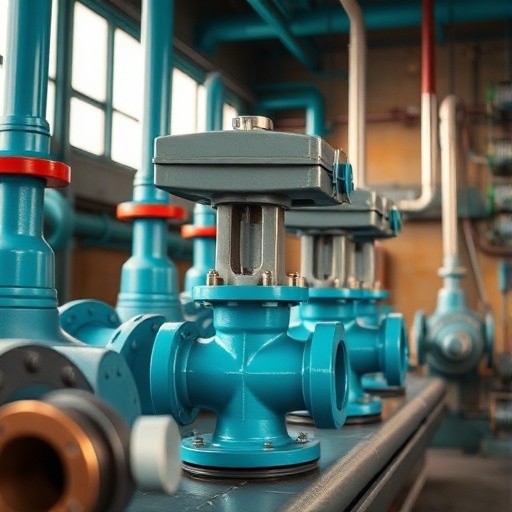
Advancements in Valve Technology
New elastomer formulations extend service life of duckbill check valves in aggressive fluids. 3D printing enables rapid prototyping of custom lip geometries for specific pump curves. Smart sensors embedded in the jacket monitor pressure and detect wear before failure occurs. These innovations reduce unplanned outages in critical waterworks infrastructure. Additive manufacturing lowers lead times for specialty sizes. Researchers explore self-healing rubber compounds that repair minor cuts automatically. Integration with digital control systems allows real-time adjustment of operating parameters. The duckbill check valve continues to evolve while retaining its core simplicity. Manufacturers invest in testing facilities to validate performance under extreme conditions. These developments keep the technology competitive against newer valve concepts.
Insights from Industry Experts on Duckbill Valve Performance
Experts emphasize proper installation orientation to achieve rated performance from every duckbill check valve. They recommend annual inspections of the rubber element for signs of hardening or cracking. Field data shows that correct material selection cuts replacement frequency by half. Pump station designers consult valve experts early in projects to optimize piping layouts. Performance benchmarks indicate duckbill valves maintain sealing at lower pressures than swing checks. Training programs teach technicians how to assess backpressure effects on valve life. Industry conferences highlight case studies where upgrades improved overall system reliability. Manufacturers share application guides that address common installation errors. These collective insights help operators maximize value from duckbill check valve investments across diverse water management scenarios.